Were My White Integrationist Parents Racists? Does It Matter?
I grew up being absorbed by race and racism. They were not just problems or issues. They were the distressing realities of my life. In the last few years, I have found my mind turning again and again to this very difficult problem. My parents were among those very few Deep South white opponents of segregation and its racist underpinnings.
We lived in two of the most volatile places in the South during the Civil Rights Movement — Albany, Georgia and Birmingham, Alabama. Not a day went by when I did not hear my parents’ outrage over the way colored people, as we said before people were Black or African American, were treated. I have recounted some of our experiences a number of times, for example in this article published by the Raven Foundation, in a review of the film, Selma. I won’t repeat those stories here; instead I will offer some new ones.
My father, a lawyer who moonlighted as an adjunct history professor, was outspoken in social and family situations and in his classrooms. Albany’s Chief of Police Laurie Pritchett, Mayor Asa Kelley, Georgia’s Governor Lester Maddox, Alabama’s Governor George Wallace — all were routine objects of my father’s contempt which he expressed heatedly and daily. Far too many smoke-filled family gatherings ended in shouting, followed by silences. I began to dread them, much as we all loved one another.
My mother, a trained social worker, brought the Head Start program to Albany. An integrated Federal program, she was soundly criticized by other white women. But she persisted. One of the things she wanted to impart to her colored students was that they were beautiful. She constantly told them how beautiful black skin was, how pretty black girls were.
Once, I recall our housekeeper, Belle, came to the front door selling green beans she had grown. My mother, coming down the interior stairs with a visitor, met her in the front hall. The visitor, a white woman, cautioned my mother not to buy the green beans. “You know how niggers are,” she said in front of Belle, “they cut their hair over the beans. You’ll get nigger hair in them if you buy them.” My mother was struck dumb not knowing how to respond. Later, she called Belle on the phone, crying, and tried to apologize.
I tell this to try to convey that by any reasonable human standard, my parents could not be counted as racists.
Yet, to be completely honest about them, I have to fast-forward several decades.
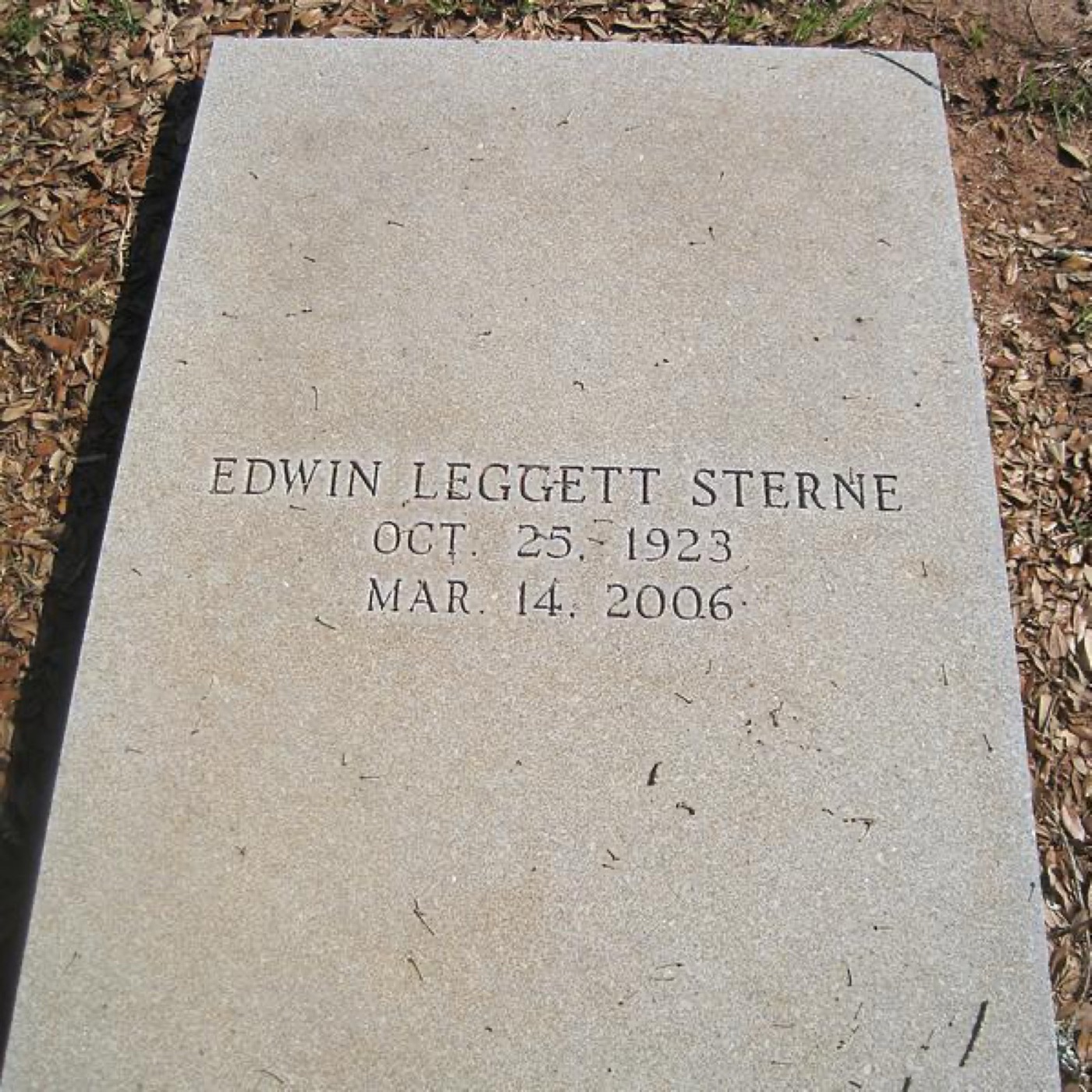
Even though he had quit 20 years earlier, my father’s smoking finally caught up with him. In 2006, about five days before he died, he went home from the hospital with Hospice personnel. A black woman with Hospice came into room where we had installed his bed. He looked at her and said, “Have you come to cook for us?”
In the dimly lit room several nights later, the night he died, he began to sing “I Dream of Jeannie With The Light Brown Hair.” Why, Daddy, I asked, do you sing that? “Oh,” he said with the wide eyes of the dying, “that is a song all about a girl and they came and took her from her native plantation. She never got over that.” I said, “Daddy, I don’t think I’ve ever heard that interpretation.” He replied, “Oh, yes. There are all kinds of racism in the world.” I told my father good night. Those were the last words he ever spoke.
Well into her eighties, with dementia getting its hooks into her, my mother, too, continues to be absorbed by race. She does not understand that some battles have been won or that, if not won, ground has been gained in post-Black Is Beautiful America. She continues to tell every black woman she meets how beautiful her skin is, often touching them.
I cringe when she does this. I cringe because it feels inappropriate. I cringe because if I were in their shoes, I would not like it. I also cringe because the women who are the objects of her attention often pull away or visibly show that they are offended. Invariably, because my mother has been in various nursing homes where they are employees, they cannot challenge her directly, although I can see that some would, given the chance. On more than one occasion, I have tried in a subtle way to plead with them before I leave my mother in their care to understand that she means well, she just doesn’t understand what she is doing.
Were my parents racists? Is my mother? What is your take on this? And, does it matter?
← All Politics & Culture